
STRATEGIC COMMITTEES
Committees dedicated to innovation,
transport safety, and competitiveness.
Together, we are building a high-performance, sustainable transport system connected to the world. Our committees work in a coordinated manner to enhance the competitiveness, safety, and sustainability of the logistics and port sectors, as well as maritime and multimodal transport. Their work helps integrate regions and stakeholders into international trade.
Professionals, institutions, and other stakeholders are invited to join one of our committees and contribute their expertise to these strategic initiatives.
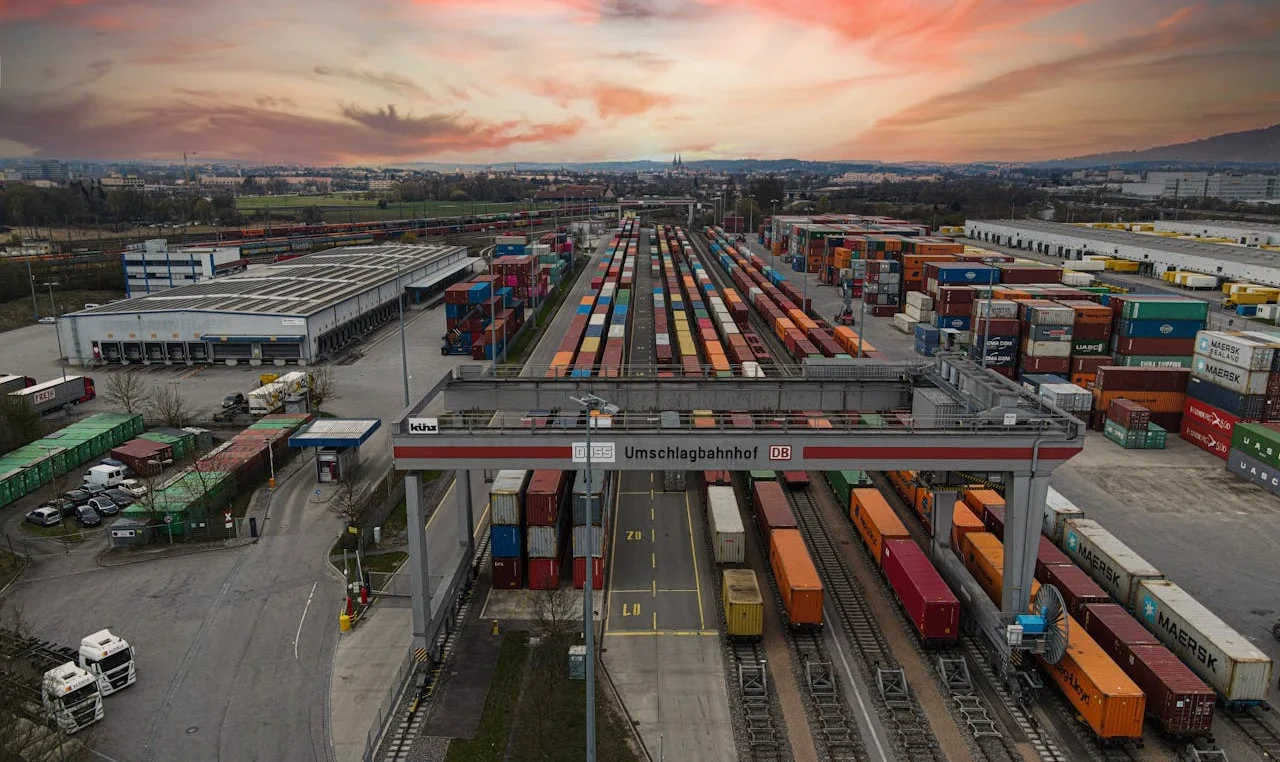
Risk Management, Insurance, and Supply Chain Security
Helps manage logistics risks by developing preventive solutions, promoting appropriate insurance arrangements, and strengthening operators’ resilience.

Ship Financing and Operations
As a strategic body, the Ship Financing and Operations Commission assesses and guides maritime projects to ensure the right balance between investment and operational performance. It contributes to the creation, development, and modernization of the fleet while ensuring its economic viability and strategic consistency.
It reviews vessel acquisition or shipbuilding projects by analyzing profitability, financing needs, and associated risks. It also monitors operational performance, optimizes costs and returns, and ensures compliance with safety and environmental requirements.
Drawing on multidisciplinary expertise (financial, technical, legal, and operational), it supports decision-making regarding the commissioning, continued operation, or withdrawal of vessels.
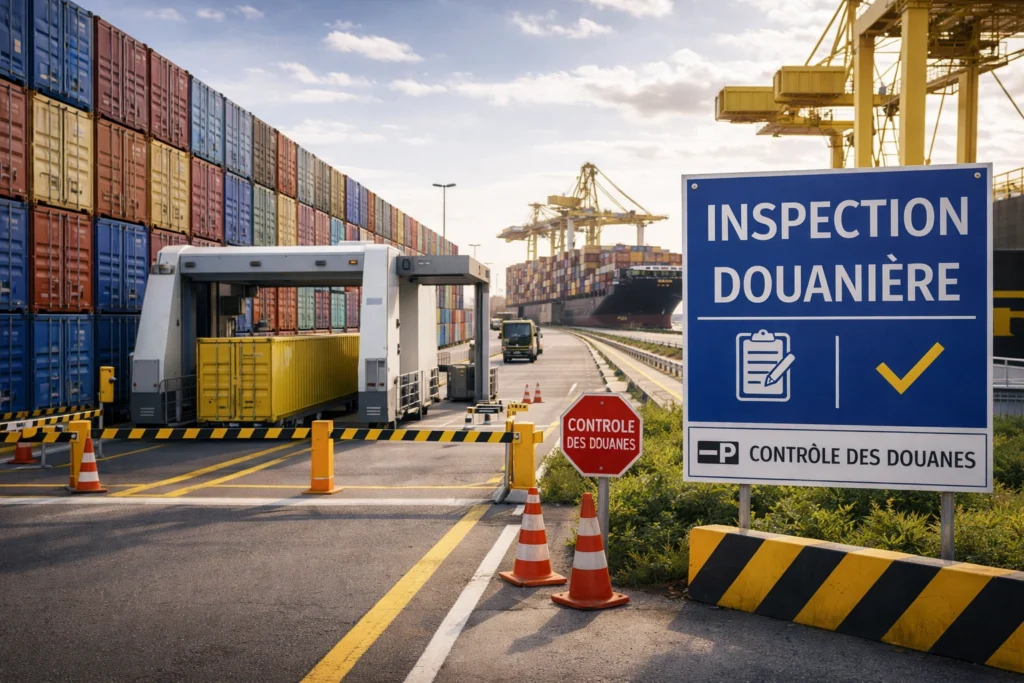
Customs, International Trade, and Trade Facilitation
Facilitates international trade by monitoring regulatory developments, strengthening dialogue with authorities, and assisting stakeholders in ensuring the compliance and security of their operations.
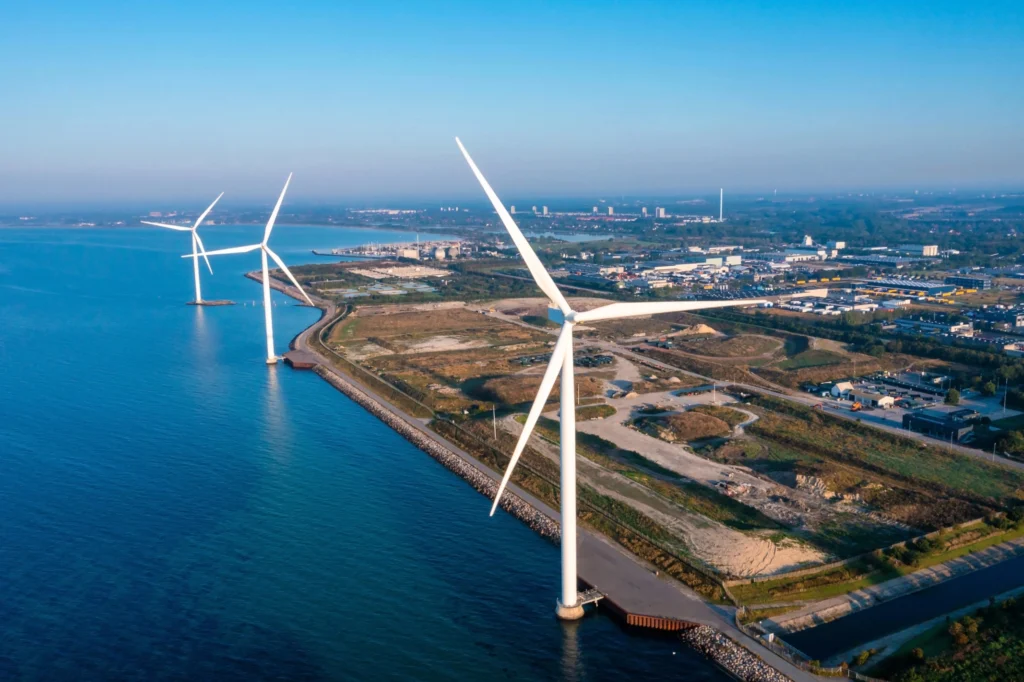
Decarbonization and Energy Transition in the Sector
Supports the sector’s energy transition by promoting the development of alternative energy sources and monitoring decarbonization targets, with the aim of fostering a sustainable transportation model.
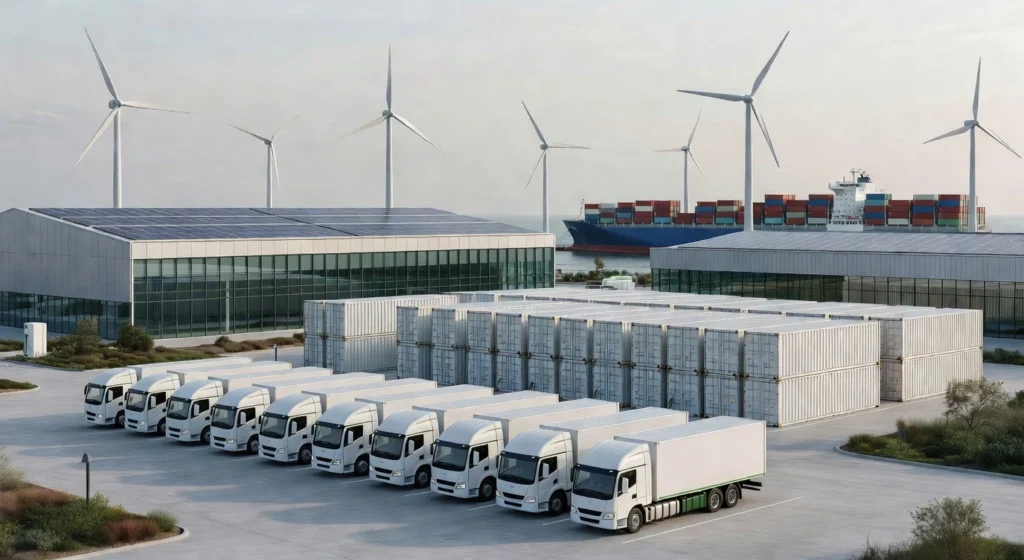
Ecological Transition and Sustainable Transport Development
Promotes the integration of environmental considerations into logistics operations by encouraging sustainable practices and supporting stakeholders in meeting regulatory and climate-related requirements.

Port Performance and Attractiveness
Contributes to improving port performance by promoting innovation, service quality, and visibility, with the aim of enhancing their appeal and competitiveness on the international stage.
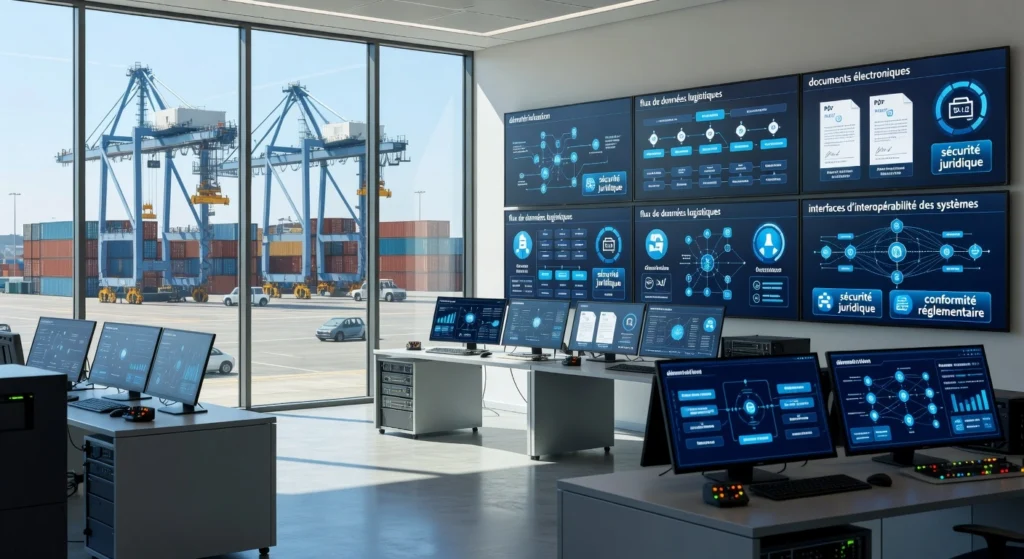
Digitalization, Procedural Simplification, and Legal Certainty
Supports the sector’s digital transformation by promoting digitization, system interoperability, and procedural simplification within a legally secure framework.
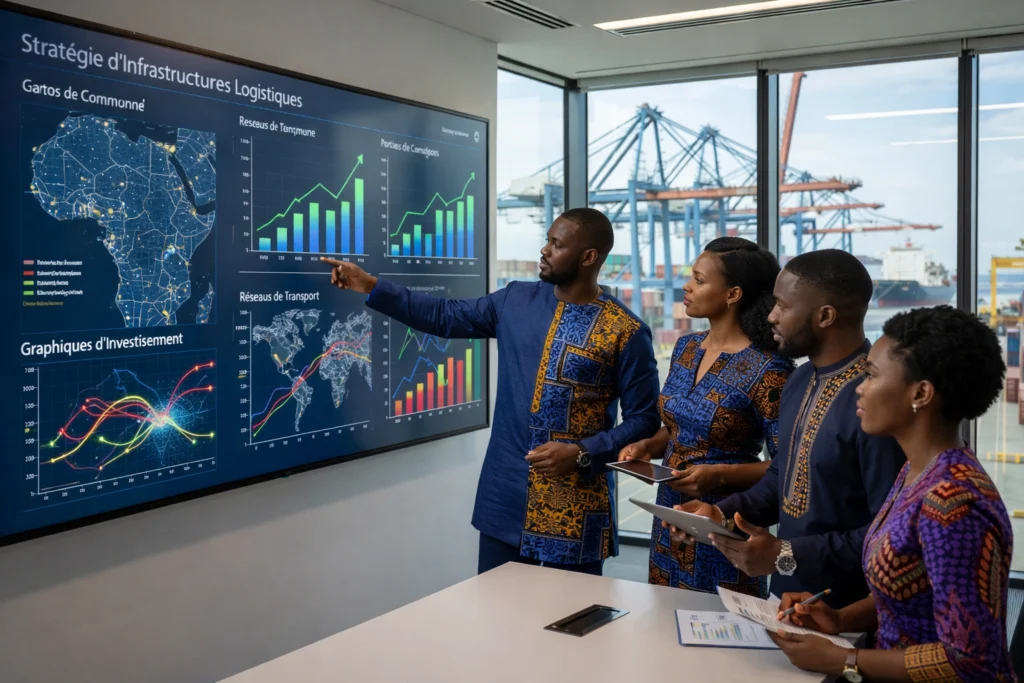
Infrastructure, Connectivity, and Logistics Competitiveness
Supports the development of efficient logistics infrastructure by contributing to investment strategies and promoting key infrastructure projects that enhance regional competitiveness.
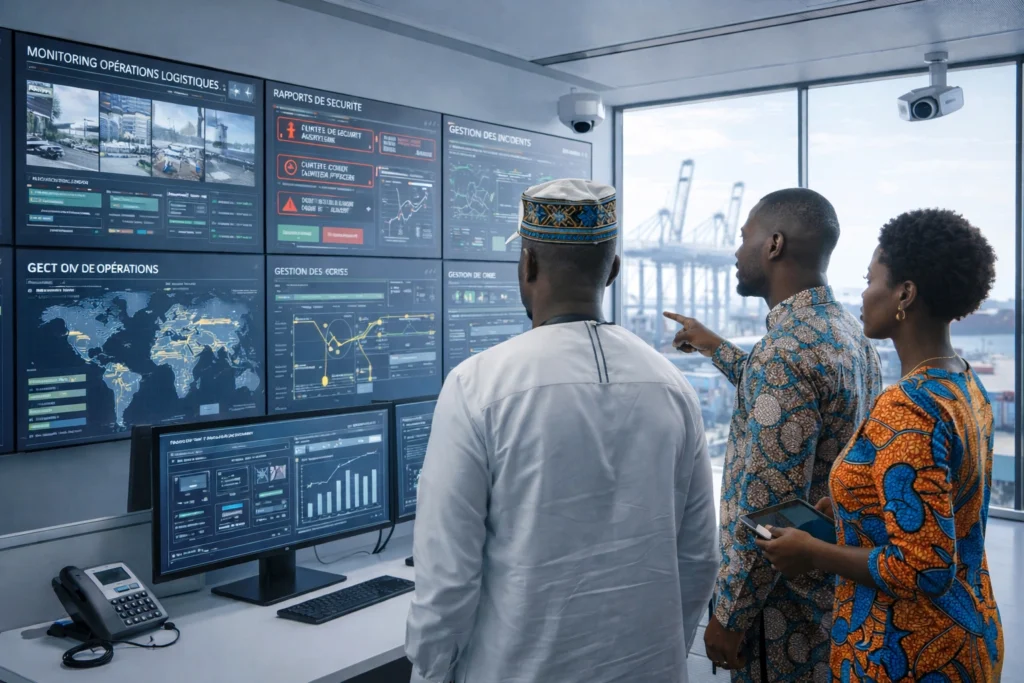
Safety, Security, and Resilience of Supply Chains
Works to strengthen the security and resilience of supply chains by developing systems for prevention, crisis management, and business continuity.
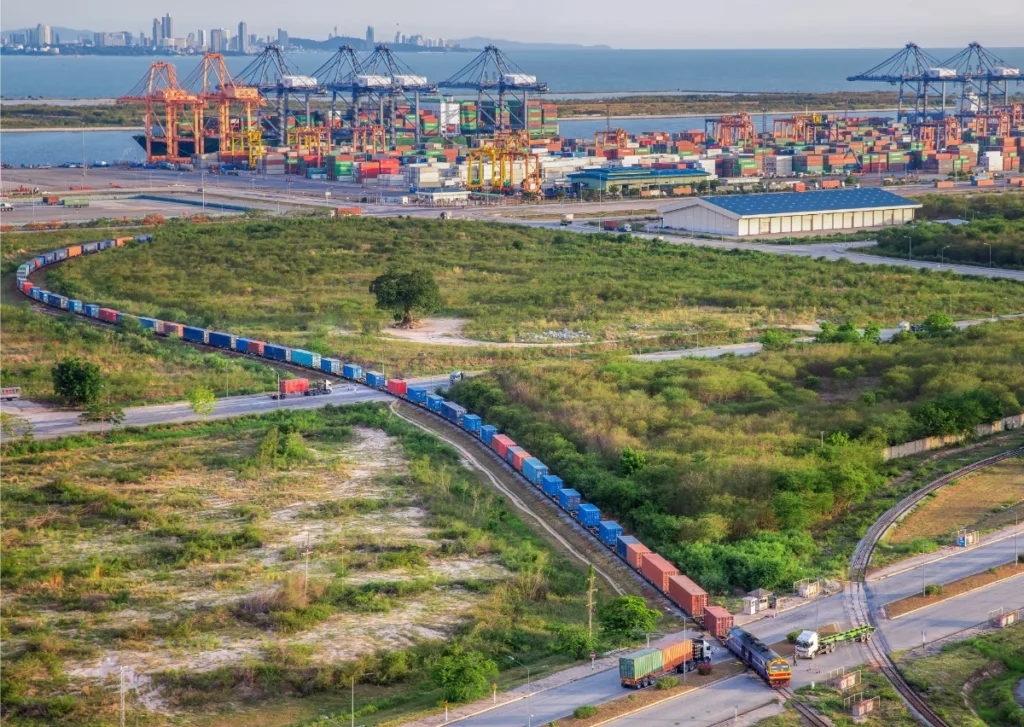
Intermodality and Supply Chain Performance
Works to improve the integration of transportation modes and optimize supply chains by removing barriers to intermodality and promoting innovative and effective practices.
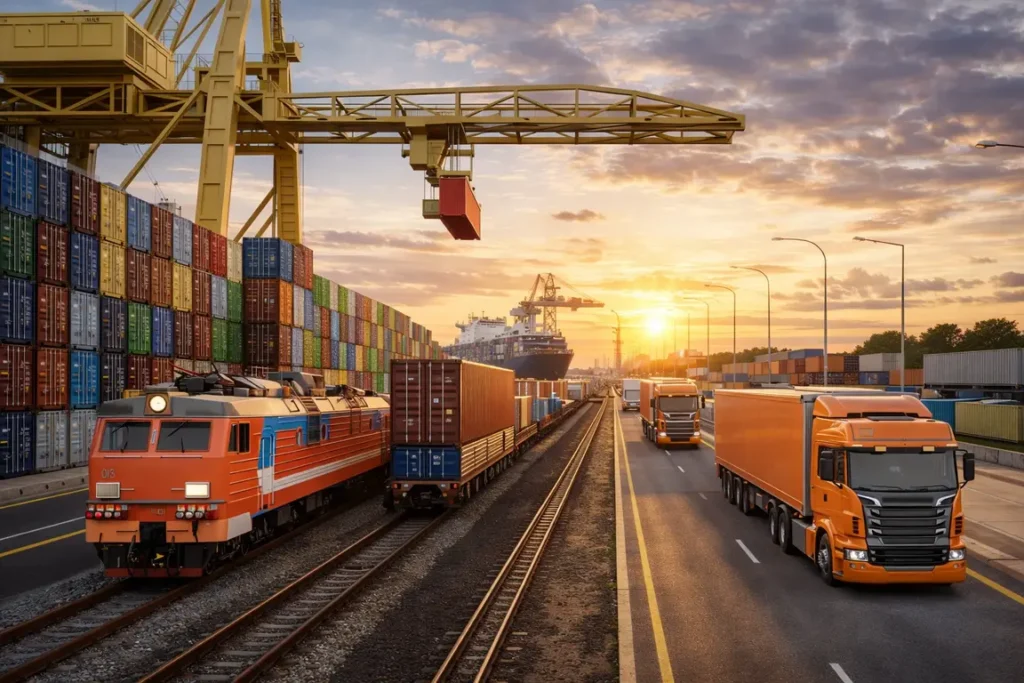
Multimodality and the Integration of Maritime Solutions
Works to develop integrated multimodal transportation solutions by optimizing port and logistics interfaces and fostering synergies among stakeholders, with the aim of enhancing competitiveness across transportation modes and offering efficient, comprehensive solutions.
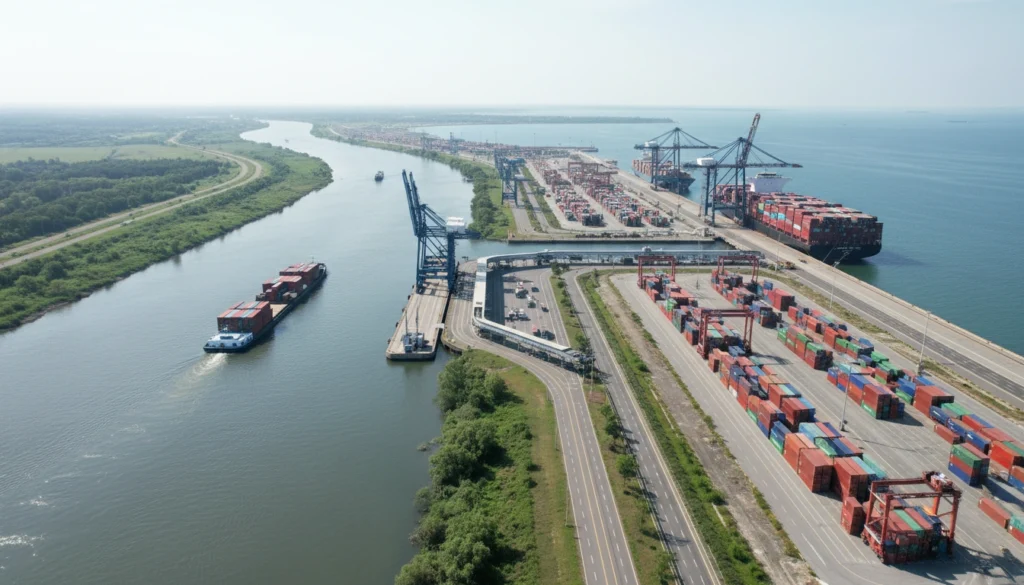
Inland Waterway and Maritime Transport and Development Corridors
Promotes river and maritime transport by developing sustainable logistics corridors and strengthening coordination among stakeholders, with the aim of increasing their share in logistics chains.
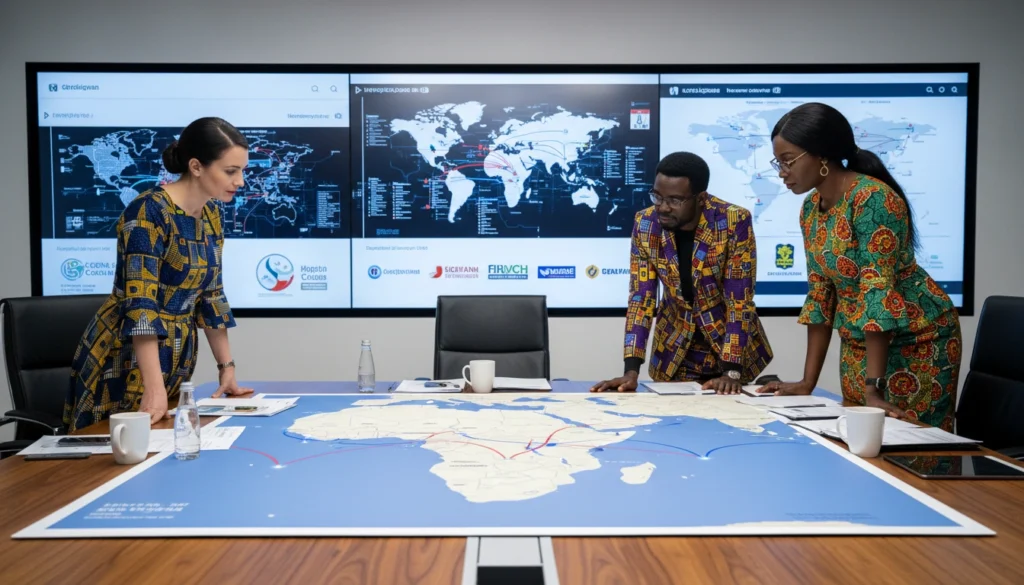
Communication and Relations with Landlocked Countries
Works to strengthen connectivity in landlocked countries by facilitating trade and improving access to international logistics networks; develops targeted communication initiatives, identifies the specific challenges faced by these regions, and promotes tailored solutions in collaboration with local and international stakeholders; supports the establishment of operational partnerships; and contributes to the sustainable integration of these countries into international trade.